
Hormesis stress resilience anti-aging represents one of the most elegant principles in biology — the paradoxical truth that the right kind of stress, applied in the right dose, triggers adaptive responses that make your body younger, stronger, and more resistant to the diseases of aging. #HormesisStressResilienceAntiAging
⠀
The concept of hormesis challenges our instinct to seek comfort and avoid discomfort at every turn. While chronic, uncontrolled stress undeniably damages health, brief, controlled exposures to specific stressors activate ancient survival pathways that repair cellular damage, clear dysfunctional proteins, strengthen mitochondria, and enhance the body’s overall resilience. Understanding hormesis transforms how we think about exercise, temperature exposure, fasting, and even sunlight — revealing that these are not separate health practices but expressions of a single biological principle.
⠀
The Biology of Beneficial Stress
⠀
At the cellular level, hormesis works through a process researchers call adaptive stress response. When cells encounter a moderate stressor — a burst of heat, a period without food, the metabolic demands of vigorous exercise — they activate a cascade of protective mechanisms that not only address the immediate challenge but leave the cell stronger and more resilient than before. This includes upregulating antioxidant enzymes, increasing the production of heat shock proteins, activating autophagy pathways that clear damaged cellular components, and strengthening mitochondrial function.
⠀
The key variable is dose. Too little stress produces no adaptive response. Too much stress overwhelms the cell’s repair capacity and causes damage. The hormetic zone — the sweet spot where stress is strong enough to trigger adaptation but not so strong as to cause harm — is where the longevity benefits reside. Every hormetic practice, from exercise to fasting to temperature exposure, has an optimal dose range that maximizes benefit while minimizing risk.
⠀
Exercise: The Original Hormetic Stressor
⠀
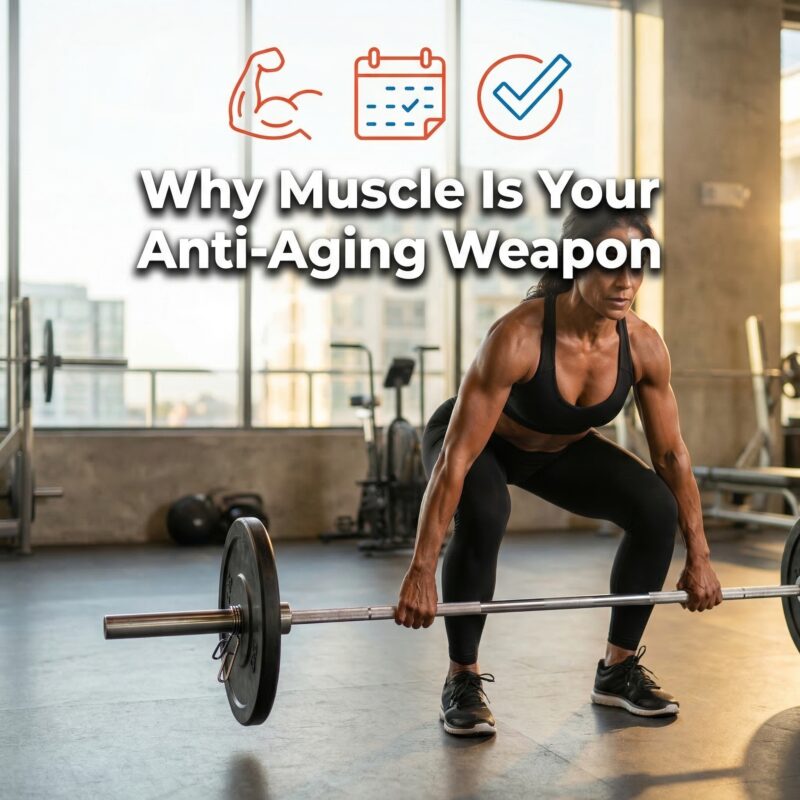
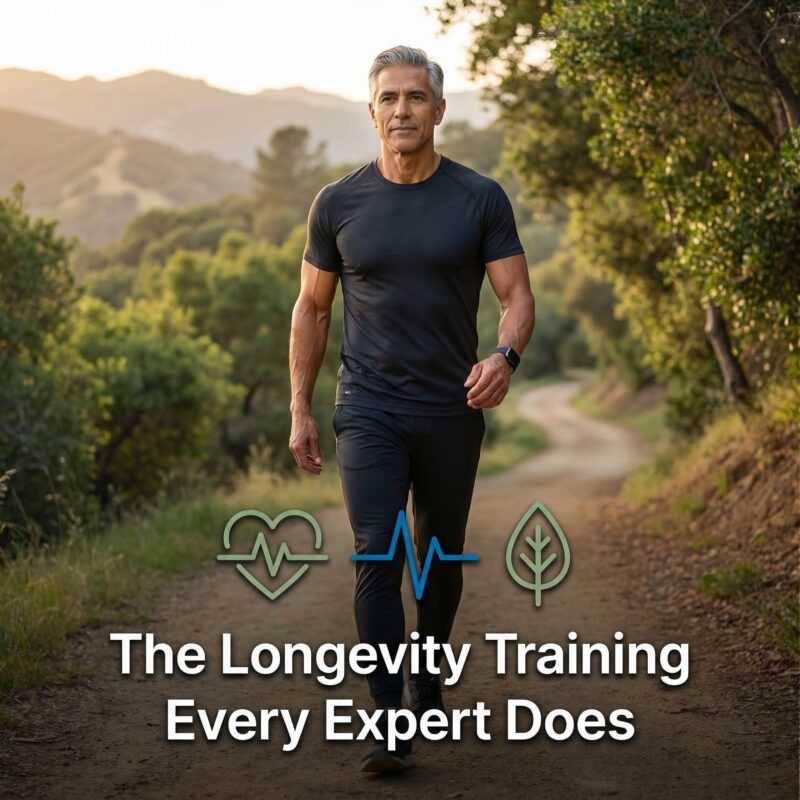
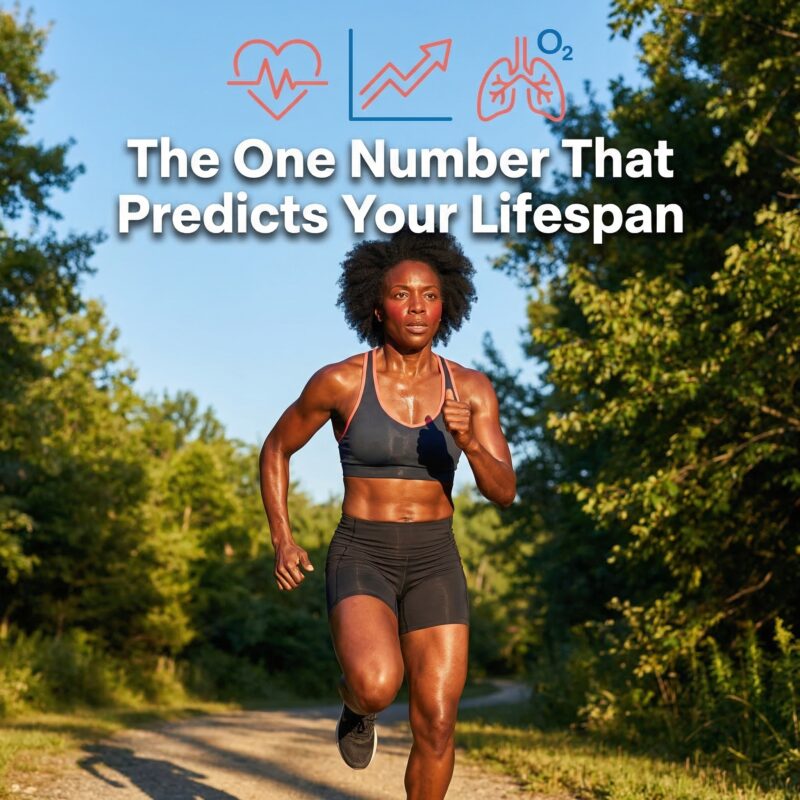
Exercise is the most widely studied and universally recommended hormetic intervention. The mechanical stress of resistance training causes microscopic damage to muscle fibers, which triggers a repair and growth response that leaves muscles stronger than before. The metabolic stress of cardiovascular exercise challenges the heart, lungs, and vascular system, driving adaptations that improve oxygen delivery, reduce blood pressure, and enhance cardiac efficiency. The hormonal response to exercise includes growth hormone release, testosterone production, and BDNF secretion for brain health.
⠀
What distinguishes the hormetic perspective on exercise from traditional fitness advice is the emphasis on progressive challenge and recovery. The adaptive response occurs during rest, not during the exercise itself. Training must be intense enough to create a meaningful stress signal, but recovery must be sufficient for the body to complete its repair and strengthening processes. This principle explains why both overtraining and undertraining produce suboptimal results — the hormetic dose matters.
⠀
Heat Stress: The Sauna Hormesis Effect
⠀
As the landscape of hormesis stress resilience anti-aging continues to evolve, staying informed about the latest developments in hormesis stress resilience anti-aging becomes increasingly valuable for making evidence-based decisions about your health and financial future.
As the landscape of hormesis stress resilience anti-aging continues to evolve, staying informed about the latest developments in hormesis stress resilience anti-aging becomes increasingly valuable for making evidence-based decisions about your health and financial future.
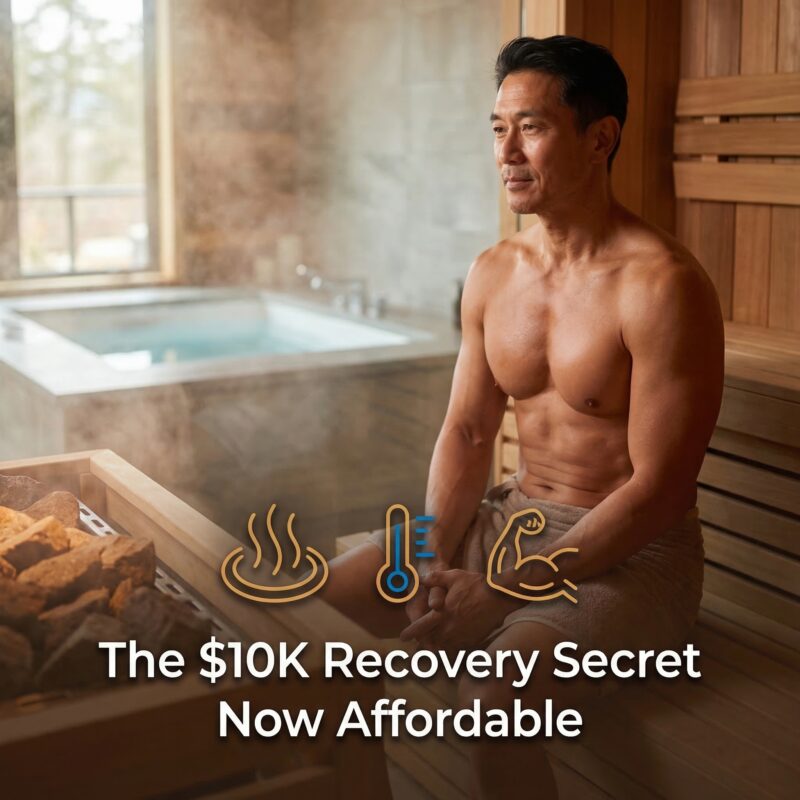
Regular sauna use is among the best-documented hormetic interventions for longevity. The landmark Finnish sauna studies, which followed thousands of men for over twenty years, found that those who used a sauna four to seven times per week had a forty percent lower risk of all-cause mortality compared to those who used it once per week. The mechanism involves heat shock proteins — molecular chaperones that are produced in response to elevated body temperature and that repair misfolded proteins, a hallmark of aging and neurodegenerative disease.
⠀
The cardiovascular benefits of sauna bathing mirror those of moderate exercise. Heart rate increases, blood vessels dilate, and the cardiovascular system undergoes a training effect. Research published in Mayo Clinic Proceedings has documented improvements in blood pressure, arterial compliance, and endothelial function with regular sauna use. The thermal stress also promotes the release of growth hormone and activates the same cellular repair pathways triggered by exercise, creating a complementary hormetic stimulus.
⠀
Cold Exposure: Activating Your Survival Pathways
⠀
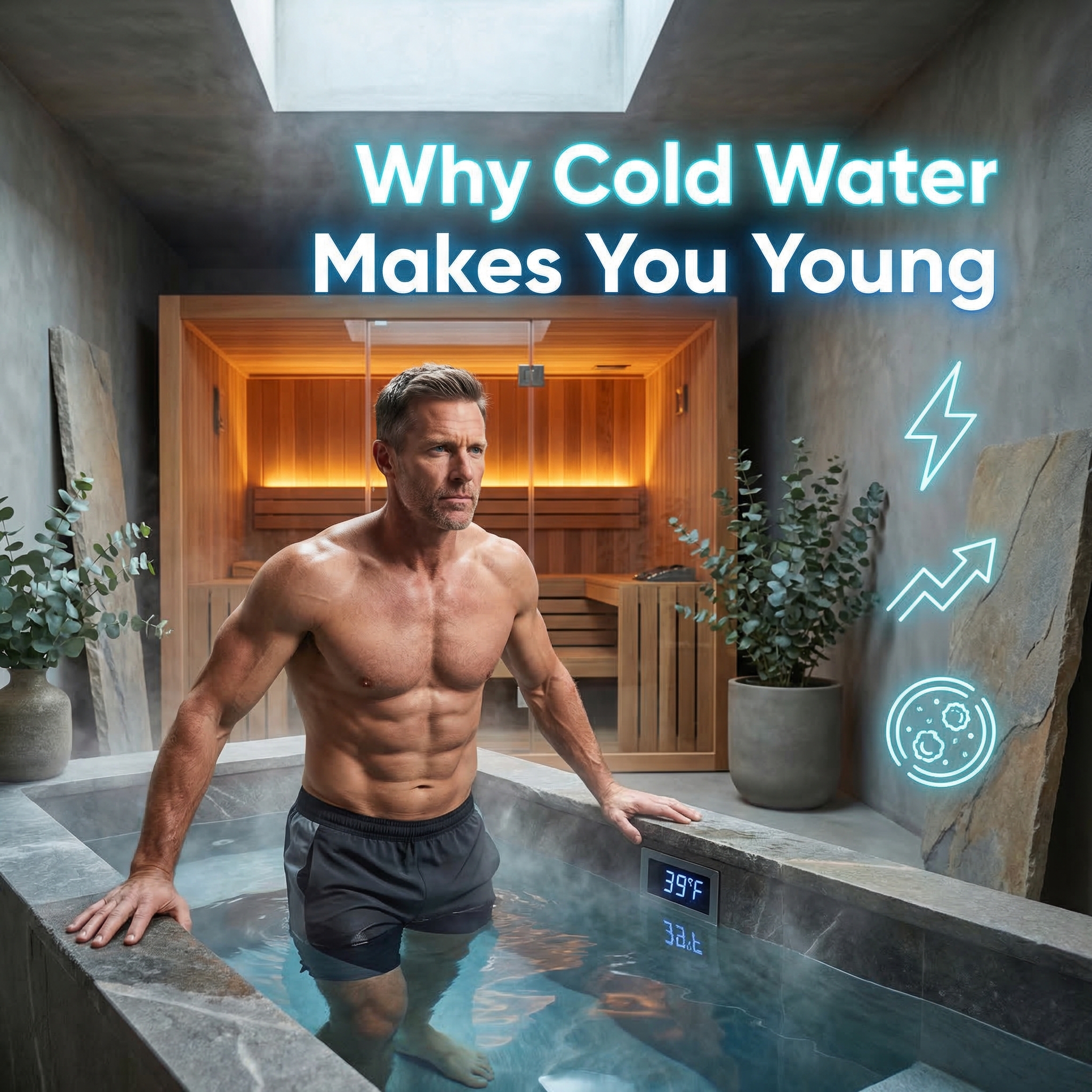
Cold water immersion represents the opposite end of the thermal hormesis spectrum. Exposure to cold water triggers an acute stress response that includes massive increases in norepinephrine and dopamine, activation of brown adipose tissue for thermogenesis, and mobilization of the immune system. Regular cold exposure has been shown to increase cold tolerance, improve mood and mental clarity, enhance immune function, and may improve metabolic health through increased brown fat activity.
⠀
The hormetic framework helps explain why cold exposure benefits are dose-dependent. Brief immersions of one to three minutes in water between forty-five and sixty degrees Fahrenheit appear to be sufficient to trigger the adaptive response without excessive stress. Longer or colder exposures do not necessarily produce greater benefits and may increase the risk of hypothermia or excessive cortisol release. As with all hormetic practices, finding the optimal dose for your individual physiology and adapting gradually over time produces the best outcomes.
⠀
Fasting as Hormesis
⠀
The practical implications of hormesis stress resilience anti-aging extend far beyond theory, offering actionable insights for anyone committed to long-term wellness.
The practical implications of hormesis stress resilience anti-aging extend far beyond theory, offering actionable insights for anyone committed to long-term wellness.
The metabolic stress of temporary food deprivation is one of the most powerful hormetic triggers known to science. When food intake ceases, the body shifts from growth and storage mode into maintenance and repair mode. Autophagy — the cellular self-cleaning process that breaks down and recycles damaged organelles and misfolded proteins — is dramatically upregulated during fasting states. This process is fundamental to cellular health and its decline with age is believed to contribute to many age-related diseases.
⠀
Time-restricted eating, where all daily calories are consumed within an eight to twelve hour window, represents a mild fasting hormesis that can be sustained long-term. More extended fasts of twenty-four to seventy-two hours produce deeper autophagic states but carry greater metabolic disruption and are not appropriate for everyone. The hormetic principle again applies: the optimal fasting practice is one that creates enough metabolic stress to trigger beneficial adaptations while remaining sustainable and safe for your individual health profile.
⠀
Sunlight: Hormesis in Moderation
⠀
Sunlight exposure perfectly illustrates the hormetic dose-response curve. No sun exposure leads to vitamin D deficiency, circadian rhythm disruption, and increased risk of several cancers. Moderate sun exposure promotes vitamin D synthesis, improves mood through serotonin pathways, regulates circadian timing, and may actually reduce the risk of certain internal cancers. Excessive sun exposure causes DNA damage, premature skin aging, and increases melanoma risk. The hormetic sweet spot — regular moderate exposure without burning — maximizes benefits while minimizing harm.
⠀
The research on sunlight hormesis has shifted the conversation from blanket sun avoidance toward a more nuanced understanding of optimal exposure. Morning and late afternoon sun, when UV intensity is lower, provides circadian benefits with minimal skin damage risk. Midday exposure in summer requires more careful management. Individual factors including skin type, latitude, and time of year all influence the optimal dose, making personalized guidance from a knowledgeable physician valuable.
⠀
Combining Hormetic Practices for Maximum Benefit
⠀
The most powerful longevity protocols combine multiple hormetic stressors in a synergistic stack. A typical protocol might include morning sunlight exposure and exercise, an evening sauna session several times per week, time-restricted eating, and periodic cold exposure. Each stressor activates overlapping but distinct repair pathways, creating a comprehensive cellular maintenance program that goes far beyond what any single intervention can achieve.
⠀
Timing and sequencing matter. Cold exposure immediately after resistance training may blunt the inflammatory signals necessary for muscle growth, so separating these by several hours is advisable. Sauna after strength training, however, may enhance recovery through increased blood flow and growth hormone release. Fasting before exercise increases fat oxidation but may reduce performance for high-intensity efforts. Understanding these interactions allows you to design a hormetic protocol that maximizes benefits without creating counterproductive interference patterns.
⠀
The Hormesis Mindset Shift
⠀
Embracing hormesis requires a fundamental shift in how we relate to discomfort. Modern life is optimized for comfort — climate-controlled environments, unlimited food availability, minimal physical demands, and constant entertainment. While these comforts improve quality of life in many ways, they also deprive our bodies of the stress signals they evolved to respond to. The result is a biological system that never activates its deepest repair and resilience pathways.
⠀
Reintroducing controlled discomfort is not about suffering for its own sake. It is about providing your body with the signals it needs to maintain and strengthen its adaptive capacity. The cold shower you do not want to take, the workout that challenges you to your current limit, the evening without snacking, the sauna session that makes you want to leave early — these moments of voluntary discomfort are precisely when your body receives the message that it needs to be stronger, more resilient, and more efficient.
⠀
Insurance Implications of Hormetic Living
⠀
People who practice hormetic living tend to be among the healthiest populations from an actuarial perspective. Regular exercisers, disciplined eaters, and those who actively manage their stress physiology have lower rates of chronic disease, fewer hospitalizations, and reduced medication needs. From an insurance standpoint, these are the individuals who extract maximum value from their premiums while contributing to lower overall risk pools.
⠀
However, hormetic living also creates unique coverage needs. Access to facilities like saunas, cold plunge pools, and well-equipped gyms represents an ongoing investment in health infrastructure. Advanced biomarker testing to track the effects of hormetic practices goes beyond standard preventive care. Working with physicians who understand exercise physiology, thermal stress, and fasting protocols requires the kind of extended consultations that concierge medicine provides.
⠀
Building Your Hormetic Practice
⠀
Start conservatively and build gradually. If you are new to hormetic practices, begin with the most accessible and well-studied intervention: regular exercise that progressively challenges your current capacity. Add temperature exposure next — ending your morning shower with thirty seconds of cold water is a low-barrier entry point that provides real benefits. Introduce time-restricted eating by gradually narrowing your daily eating window over several weeks. Each addition creates a stronger foundation for the next.
⠀
Monitor your response through both subjective measures — energy, mood, sleep quality, recovery — and objective data from wearables and bloodwork. The goal is to find your personal hormetic zone for each practice, where the stress is sufficient to trigger adaptation but does not compromise your recovery or daily function. A concierge physician with experience in longevity medicine can help you calibrate these practices to your individual physiology and health goals.
⠀
Why This Matters for Your Health Strategy
The conversation around hormesis stress resilience anti-aging is more relevant than ever. As research into hormesis stress resilience anti-aging accelerates, individuals who stay informed position themselves to make smarter decisions about their health and coverage. Whether you are just beginning to explore hormesis stress resilience anti-aging or have been following these developments closely, the evidence suggests that proactive engagement with hormesis stress resilience anti-aging can yield meaningful benefits over time.
Related Reading from Our Longevity Series
Continue exploring hormesis stress resilience anti-aging and related longevity topics with these in-depth guides:
- How AI Is Accelerating Drug Discovery and Bringing Age Reversal Closer
- The $600 Billion Longevity Industry: How It’s Reshaping Healthcare and Insurance
- The Information Theory of Aging: What It Means for Your Health in 2026
Hormesis and the Future of Preventive Medicine
⠀
The hormesis framework is reshaping how progressive physicians think about prevention. Rather than simply screening for disease and managing risk factors, hormesis-informed medicine actively builds biological resilience through controlled challenge. This represents a paradigm shift from defensive healthcare — trying to avoid disease — to offensive healthcare — actively building the strongest, most resilient biology possible.
⠀
At Curl Insurance Services, we help clients build health coverage strategies that support this proactive approach to wellness. Whether you need guidance on plans that maximize preventive care benefits, want to explore how concierge medicine can support your hormetic practice, or are looking for HSA-eligible options that let you invest in your health infrastructure, we are here to help you align your coverage with your commitment to living well. Text us at (949) 506-2746 to start building your longevity-focused coverage strategy.