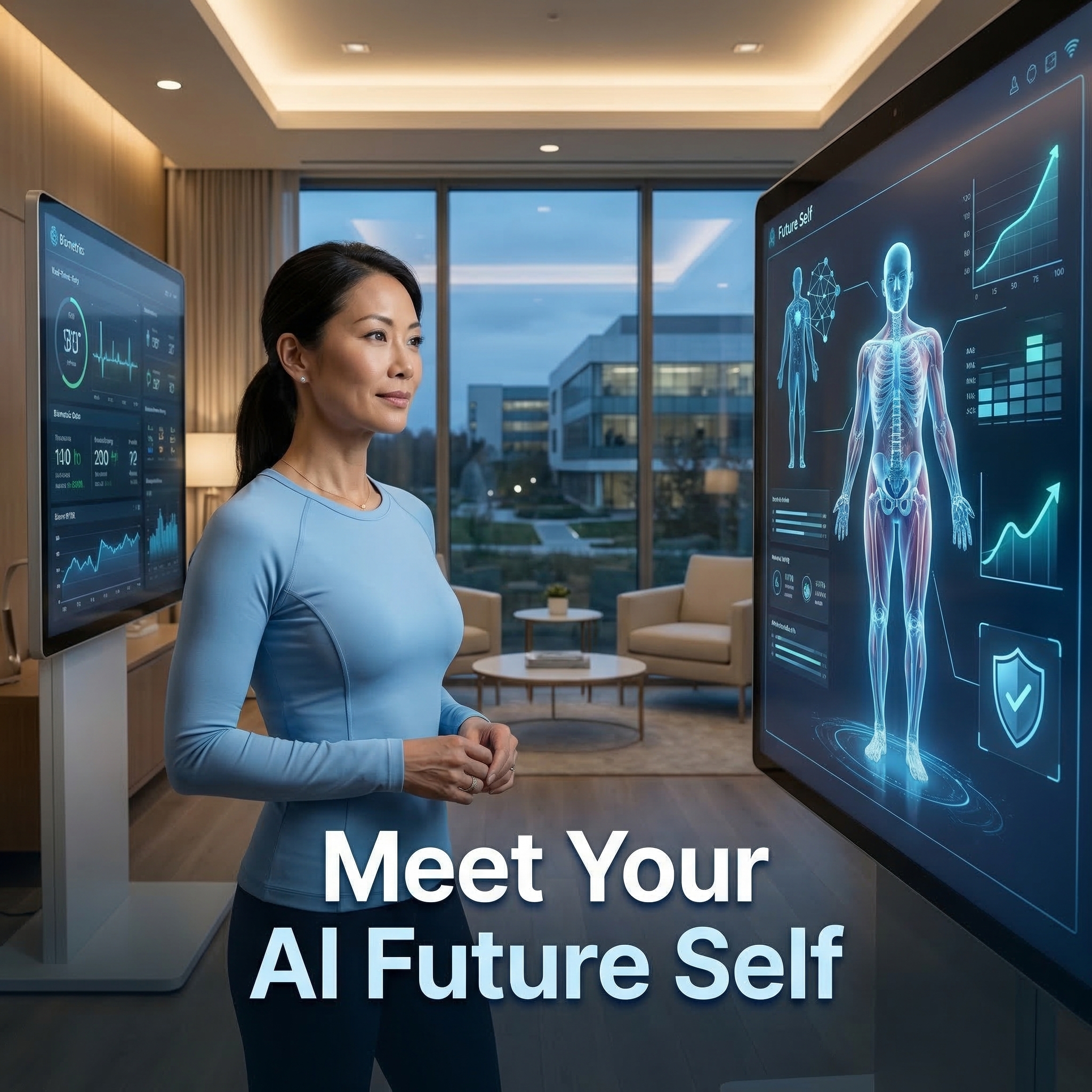
Digital health twin AI predictive medicine represents the next frontier in personalized healthcare — a future where an AI-powered simulation of your unique biology can predict disease years before symptoms appear and guide precisely targeted interventions to keep you healthy. #DigitalHealthTwinAIPredictiveMedicine
⠀
Imagine having a virtual replica of your body — one that integrates your genomic data, real-time biomarkers from wearable devices, medical imaging, lifestyle patterns, and environmental exposures into a continuously updated computational model. This digital twin could simulate how your body would respond to different medications, predict which diseases you are most vulnerable to, and recommend personalized prevention strategies based on your individual biology rather than population averages. This is not science fiction — it is the active focus of some of the world’s leading technology and healthcare companies.
⠀
What Is a Digital Health Twin?
⠀
The concept of a digital twin originated in manufacturing and engineering, where virtual replicas of physical systems are used to simulate performance, predict failures, and optimize maintenance. Applied to human health, a digital twin is a comprehensive computational model of an individual’s biology that is continuously updated with real-world data. The model incorporates genetic information, physiological measurements, biomarker trends, lifestyle data, and medical history to create an increasingly accurate simulation of how that specific person’s body functions.
⠀
The power of a digital health twin lies in its predictive capability. By running simulations on the virtual model, researchers and physicians can forecast how a patient’s health will evolve over months, years, or decades under different scenarios. What happens if this person continues their current lifestyle? What if they adopt a specific exercise protocol? How would a particular medication affect their unique physiology? These questions, which currently require years of observation or educated guessing, can be answered computationally in minutes.
⠀
Current Implementations and Early Adopters
⠀
Several organizations are actively developing digital health twin technology. Siemens Healthineers has created cardiac digital twins that model individual heart function to predict cardiovascular events and optimize treatment plans. These cardiac twins integrate imaging data, electrical measurements, and physiological parameters to create patient-specific heart models that can simulate the effects of different interventions before they are actually performed.
⠀
In oncology, digital twins are being used to simulate tumor growth and treatment response, allowing oncologists to test different chemotherapy regimens, radiation protocols, and immunotherapy strategies on a virtual model before exposing the actual patient to treatment. Early results show that digital twin-guided treatment selection improves response rates and reduces adverse effects compared to standard-of-care approaches.
⠀
The Data Foundation: Wearables, Genomics, and Continuous Monitoring
⠀
As the landscape of digital health twin AI predictive medicine continues to evolve, staying informed about the latest developments in digital health twin AI predictive medicine becomes increasingly valuable for making evidence-based decisions about your health and financial future.
As the landscape of digital health twin AI predictive medicine continues to evolve, staying informed about the latest developments in digital health twin AI predictive medicine becomes increasingly valuable for making evidence-based decisions about your health and financial future.
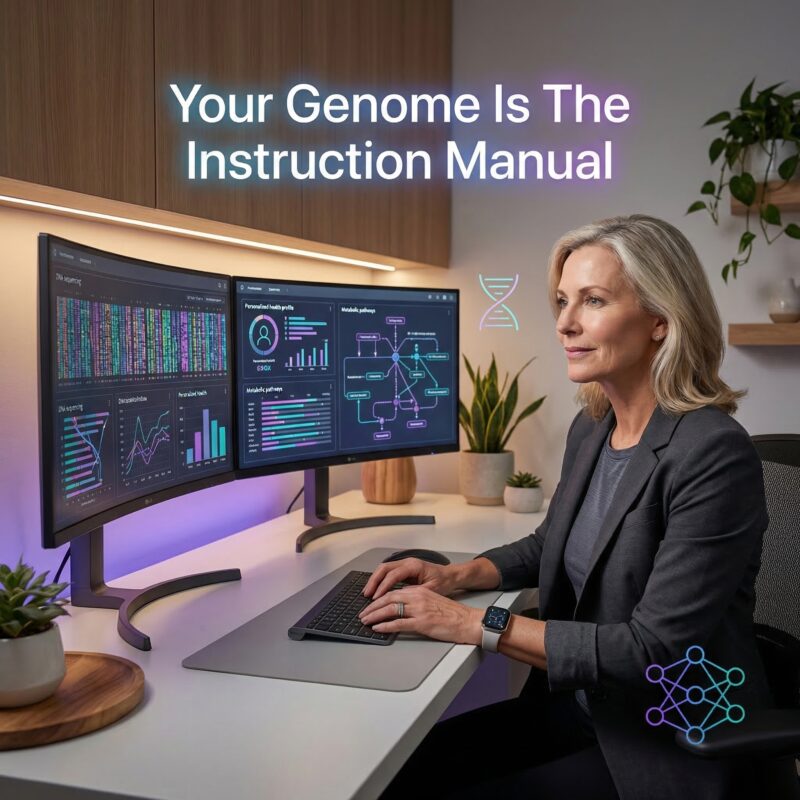
A digital health twin is only as good as the data feeding it. The explosion of consumer health technology — wearable devices tracking heart rate variability, blood oxygen, sleep architecture, and activity patterns; continuous glucose monitors providing real-time metabolic data; and affordable genomic sequencing revealing genetic predispositions — is creating the data infrastructure that makes personal digital twins feasible. Each data stream adds another dimension to the virtual model, improving its predictive accuracy over time.
⠀
The transition from periodic health snapshots to continuous monitoring is critical. Traditional medicine relies on data points collected during annual physicals or when symptoms prompt a doctor visit. A digital health twin incorporates continuous data streams, capturing the dynamic fluctuations in physiology that reveal emerging health issues long before they would be detected by periodic screening. A subtle but consistent trend in resting heart rate, glucose variability, or sleep quality could signal a developing condition months or years before it produces symptoms.
⠀
Predictive Disease Modeling
⠀
The most transformative application of digital health twins is predictive disease modeling — the ability to forecast which diseases an individual is most likely to develop and when. By integrating genetic risk factors with real-time physiological data and lifestyle patterns, AI models can generate personalized risk scores that are far more accurate than the population-based risk calculators currently used in clinical practice.
⠀
For cardiovascular disease, a digital twin could integrate genetic markers for cholesterol metabolism, continuous blood pressure data from a wearable, coronary calcium scores from imaging, inflammatory biomarkers, and dietary patterns to produce a highly personalized ten-year risk assessment. For cancer, the twin could monitor circulating tumor DNA, immune function markers, and genetic predispositions to flag concerning patterns before a tumor becomes detectable through conventional screening. This level of predictive precision would transform preventive medicine from a generic set of recommendations into a truly personalized prevention strategy.
⠀
Drug Response Simulation
⠀
The practical implications of digital health twin AI predictive medicine extend far beyond theory, offering actionable insights for anyone committed to long-term wellness.
The practical implications of digital health twin AI predictive medicine extend far beyond theory, offering actionable insights for anyone committed to long-term wellness.
One of the most practical near-term applications of digital health twins is simulating how an individual will respond to specific medications. Pharmacogenomics — the study of how genetic variations affect drug metabolism — has already demonstrated that people can respond very differently to the same medication based on their genetic profile. A digital twin takes this further by integrating pharmacogenomic data with the individual’s current physiology, other medications, and health status to predict drug response with much greater accuracy.
⠀
This capability could eliminate much of the trial-and-error process that currently characterizes medication selection. Rather than prescribing a standard first-line therapy and adjusting based on the patient’s response over weeks or months, a physician could simulate multiple medication options on the digital twin and select the one predicted to be most effective with the fewest side effects. The time and suffering saved by getting medication selection right on the first attempt would be enormous.
⠀
Longevity Applications: Optimizing Your Aging Trajectory
⠀
For longevity medicine specifically, digital health twins offer the ability to model and optimize an individual’s aging trajectory. By simulating the long-term effects of different lifestyle interventions, supplement protocols, and preventive strategies, a digital twin could identify the specific combination of actions most likely to extend an individual’s healthspan based on their unique biology. This moves longevity medicine from generic recommendations to truly personalized optimization.
⠀
Imagine being able to simulate whether a specific exercise protocol, dietary pattern, or longevity supplement will meaningfully impact your biological age over the next decade — without having to wait ten years to find out. Digital health twins make this kind of prospective analysis possible, allowing individuals and their physicians to make evidence-based longevity decisions with a level of confidence that has never been available before.
⠀
Privacy and Ethical Considerations
⠀
The extraordinary predictive power of digital health twins raises significant privacy and ethical questions. A comprehensive model of an individual’s biology, health trajectory, and disease risks represents perhaps the most sensitive personal data imaginable. Who has access to this information? Can insurers use predictive disease models to set premiums or deny coverage? Can employers access health twin data during hiring decisions? These questions do not have settled answers, and the regulatory framework is evolving alongside the technology.
⠀
Current health privacy laws, including HIPAA in the United States, provide a foundation for protecting digital twin data, but the unprecedented nature of this technology will likely require new legislation and regulatory frameworks. The Genetic Information Nondiscrimination Act already prohibits the use of genetic information in health insurance and employment decisions, and similar protections will need to be extended to the more comprehensive predictions generated by digital health twins.
⠀
Insurance Implications of Predictive Health Modeling
⠀
Digital health twins will fundamentally reshape the insurance industry. On one hand, the ability to predict disease risk with high accuracy could enable more personalized, fair pricing and incentivize preventive behavior. On the other hand, if predictive data is used to discriminate against individuals with higher predicted risks, it could undermine the fundamental principle of risk pooling that makes insurance work.
⠀
The most likely outcome is a model where digital twin data is used to improve health outcomes rather than to price coverage. Insurance plans that integrate digital twin technology could offer members personalized prevention programs — identifying the specific screenings, interventions, and lifestyle changes most likely to benefit each individual. This proactive approach would reduce healthcare costs overall while improving member health, creating value for both insurers and the insured.
⠀
The Timeline for Personal Digital Health Twins
⠀
Basic digital twin capabilities are available now through companies that integrate genomic data, wearable data, and biomarker tracking into unified health dashboards. These current offerings are rudimentary compared to the full vision, but they represent meaningful first steps. Within three to five years, more sophisticated models incorporating continuous monitoring and AI-driven predictive analytics will become available through concierge medicine practices and advanced health systems.
⠀
Fully realized personal digital health twins — comprehensive simulations capable of accurate long-term health predictions and intervention optimization — are likely five to ten years away for early adopters and ten to fifteen years from widespread availability. The pace of development in AI, genomics, and sensor technology suggests these timelines may accelerate, particularly as major technology companies invest heavily in health applications.
⠀
Why This Matters for Your Health Strategy
The conversation around digital health twin AI predictive medicine is more relevant than ever. As research into digital health twin AI predictive medicine accelerates, individuals who stay informed position themselves to make smarter decisions about their health and coverage. Whether you are just beginning to explore digital health twin AI predictive medicine or have been following these developments closely, the evidence suggests that proactive engagement with digital health twin AI predictive medicine can yield meaningful benefits over time.
Related Reading from Our Longevity Series
Continue exploring digital health twin AI predictive medicine and related longevity topics with these in-depth guides:
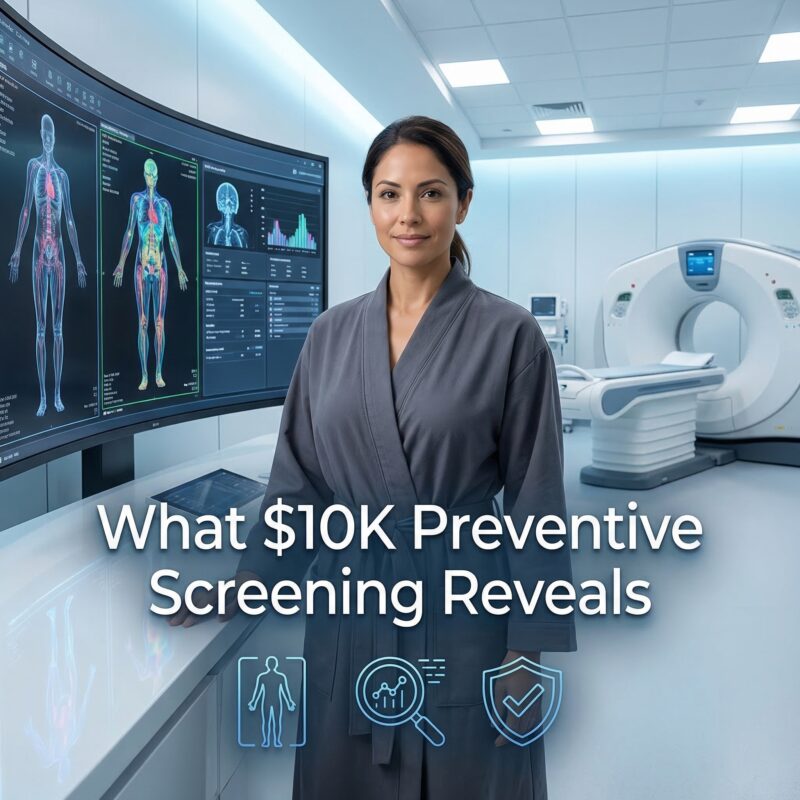
- Full-Body Diagnostic Screening: Is Spending $10K+ on Prevention Actually Worth It?
- Concierge Medicine vs. Traditional Coverage: The Smart Hybrid Approach for 2027
- Senolytics, Rapamycin, and Metformin: The Anti-Aging Drugs Making Headlines
Preparing for the Digital Twin Era
⠀
Even before full digital twins are available, you can begin building the data foundation that will make your eventual twin more accurate and useful. Start tracking key health metrics with a quality wearable device. Establish comprehensive biomarker baselines through annual bloodwork that goes beyond standard panels. Consider genomic sequencing if you have not done so — this one-time investment provides a permanent foundation of genetic data that becomes more valuable as interpretation science advances.
⠀
Most importantly, work with healthcare providers who understand the trajectory of health technology and can help you build a longitudinal health record that captures the data needed for future digital twin integration. Concierge medicine physicians are ideally positioned for this role, offering the extended consultation time and proactive monitoring approach that generates the richest health data. At Curl Insurance Services, we help clients build coverage strategies that support this forward-looking approach to health management. Text us at (949) 506-2746 to align your coverage with the future of personalized medicine.