
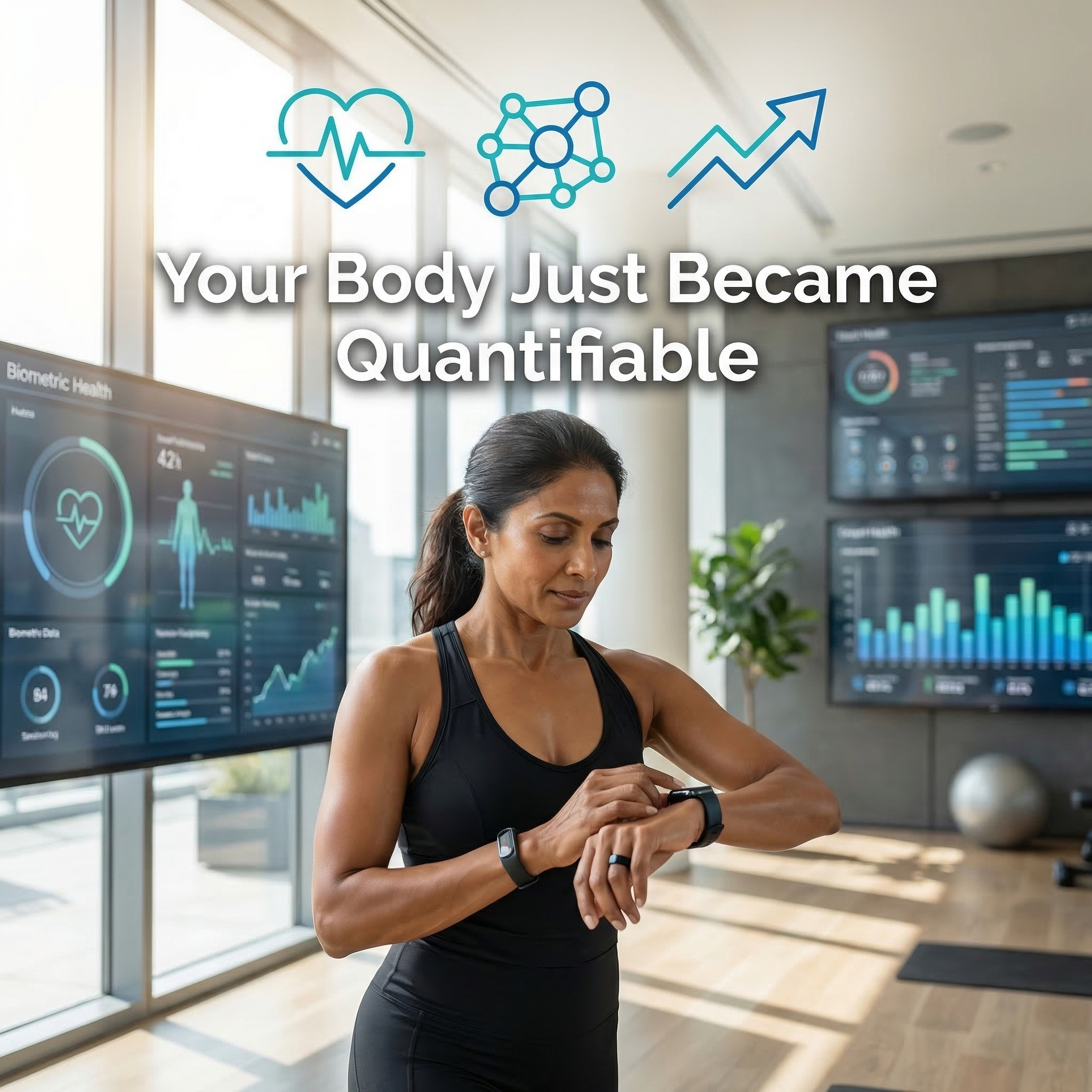
How Wearable Health Tech Is Revolutionizing Personal Optimization in 2026
The devices strapped to millions of wrists worldwide are no longer simple step counters. They have evolved into sophisticated health monitoring platforms that track cardiovascular function, sleep architecture, metabolic status, and stress response in real time — generating a continuous stream of data that was available only in clinical settings just a decade ago. Understanding wearable health technology 2026 fitness trackers and which metrics actually matter for longevity separates meaningful health optimization from data-driven distraction. The growing importance of wearable health technology 2026 fitness trackers cannot be overstated. At Curl Insurance Services, we help our clients understand how emerging health technology connects to smarter coverage and wellness decisions. #WearableHealthTechnology2026FitnessTrackers
⠀
The Current Wearable Landscape
The wearable health technology market in 2026 offers an unprecedented range of devices, each with distinct strengths, form factors, and data capabilities. Understanding the major categories helps you choose the platform that best serves your health optimization goals.
⠀
Smartwatches: Apple Watch, Samsung Galaxy Watch, and Google Pixel Watch represent the smartwatch category — multifunctional devices that combine health monitoring with smartphone connectivity, applications, and lifestyle features. These devices typically track heart rate, heart rhythm, blood oxygen saturation, sleep, and activity. Apple Watch has led the medical validation effort, receiving FDA clearance for electrocardiogram and irregular rhythm notification features. For individuals who want health monitoring integrated with their daily technology ecosystem, smartwatches provide the most versatile platform.
⠀
Dedicated Fitness Wearables: Devices like WHOOP and Garmin fitness watches are designed specifically for health and performance monitoring, often providing more detailed physiological data than general-purpose smartwatches. WHOOP, worn as a wrist or body strap without a screen, focuses entirely on strain monitoring, recovery assessment, and sleep analysis — providing daily recommendations based on your physiological readiness. Garmin devices offer extensive training metrics including VO2 max estimation, training load analysis, and recovery advisors, making them particularly popular among serious endurance athletes and fitness-focused individuals.
⠀
Smart Rings: The Oura Ring and emerging competitors represent a form factor that prioritizes sleep tracking and passive health monitoring in a discreet, always-wearable design. Rings offer excellent sleep data — including sleep stage analysis, heart rate variability during sleep, and body temperature trends — in a form factor that many people find more comfortable for twenty-four-hour wear than a wrist device. For individuals who prioritize sleep optimization and readiness assessment, smart rings provide specialized insight.
⠀
Continuous Glucose Monitors: CGMs represent perhaps the most medically significant wearable category for metabolic health optimization. These small sensors, typically worn on the upper arm, measure interstitial glucose levels continuously and transmit the data to a smartphone application. Originally developed for diabetes management, CGMs have gained widespread adoption among health-conscious individuals who use them to understand their metabolic response to different foods, exercise patterns, sleep quality, and stress. The real-time feedback enables truly personalized nutrition and lifestyle decisions based on your body’s actual metabolic responses.
⠀
Metrics That Actually Matter for Longevity
Modern wearables generate enormous volumes of data, but not all metrics are equally relevant to long-term health and longevity. Focusing on the measurements with the strongest scientific connections to health outcomes prevents data overwhelm and directs your attention to what genuinely matters.
As the landscape of wearable health technology 2026 fitness trackers continues to evolve, staying informed about the latest developments in wearable health technology 2026 fitness trackers becomes increasingly valuable for making evidence-based decisions about your health and financial future.
As the landscape of wearable health technology 2026 fitness trackers continues to evolve, staying informed about the latest developments in wearable health technology 2026 fitness trackers becomes increasingly valuable for making evidence-based decisions about your health and financial future.
⠀
Heart Rate Variability (HRV): HRV measures the variation in time between consecutive heartbeats and reflects the balance between your sympathetic (fight-or-flight) and parasympathetic (rest-and-digest) nervous systems. Higher HRV generally indicates better cardiovascular fitness, greater stress resilience, and superior autonomic nervous system function. Research has linked higher HRV to reduced cardiovascular risk, lower all-cause mortality, and better psychological wellbeing. Tracking HRV trends over time — rather than fixating on individual daily readings — provides a valuable window into your overall physiological health and recovery status.
⠀
Resting Heart Rate: Your resting heart rate reflects cardiovascular efficiency — a lower resting heart rate generally indicates a heart that pumps more blood per beat and operates more efficiently. Epidemiological studies have consistently shown that lower resting heart rates are associated with reduced cardiovascular risk and longer life expectancy. Tracking resting heart rate trends helps you monitor the effectiveness of your cardiovascular training and detect early signs of overtraining, illness, or physiological stress.
⠀
Sleep Quality: Sleep metrics — including total sleep duration, sleep efficiency, time spent in deep and REM sleep stages, and sleep consistency — are among the most actionable data points wearables provide. Sleep quality profoundly influences cognitive function, immune health, metabolic regulation, hormonal balance, and biological aging. Modern wearables can detect sleep stages with reasonable accuracy using heart rate and movement data, providing feedback that helps you identify and address sleep disruption patterns.
⠀
VO2 Max Estimation: Several wearable platforms now provide estimated VO2 max calculations based on heart rate response during exercise. While less precise than clinical testing, wearable VO2 max estimates offer valuable longitudinal tracking — showing whether your cardiovascular fitness is improving, stable, or declining over time. Given that VO2 max is the strongest single predictor of all-cause mortality, monitoring this metric is one of the most relevant uses of wearable data for longevity.
⠀
Glucose Variability: For individuals using CGMs, glucose variability — the magnitude and frequency of blood sugar fluctuations throughout the day — is an increasingly recognized marker of metabolic health. Lower glucose variability, with stable blood sugar that avoids dramatic spikes and crashes, is associated with better insulin sensitivity, reduced inflammation, and lower risk of metabolic disease. CGM data enables real-time understanding of how specific foods, meal timing, exercise, sleep, and stress affect your personal glucose response.
⠀
Metrics That Matter Less Than You Think
Equally important is understanding which commonly tracked metrics deserve less attention in a longevity-focused framework. Not every data point your wearable reports carries meaningful health implications.
⠀
Daily Step Count: While the popularization of step counting has encouraged millions of people to move more — which is genuinely beneficial — the fixation on specific step targets can distract from more meaningful movement quality. The relationship between steps and health outcomes is real but has diminishing returns beyond a certain threshold. More importantly, step counting says nothing about the intensity, duration, or type of movement — all of which matter more for longevity than raw step volume. A day with four thousand steps that includes a Zone 2 cycling session and a strength training workout is far more valuable than a day with twelve thousand steps accumulated through casual walking.
⠀
Calories Burned: Wearable calorie burn estimates are notoriously inaccurate, often deviating significantly from actual energy expenditure. Using these estimates to guide eating decisions can lead to either overconsumption or underconsumption. For most health optimization purposes, focusing on food quality, protein adequacy, and metabolic biomarker trends provides more reliable guidance than attempting to match calorie intake to wearable estimates.
⠀
Using Wearable Data Effectively
The value of wearable health data lies not in the numbers themselves but in how you interpret and act on them. Several principles help transform raw data into meaningful health insights.
The practical implications of wearable health technology 2026 fitness trackers extend far beyond theory, offering actionable insights for anyone committed to long-term wellness.
The practical implications of wearable health technology 2026 fitness trackers extend far beyond theory, offering actionable insights for anyone committed to long-term wellness.
⠀
Track Trends, Not Daily Numbers: Individual daily readings are subject to significant variability from factors including hydration, alcohol consumption, meal timing, stress, and measurement artifact. The meaningful signal emerges from trends over weeks, months, and years. Is your resting heart rate gradually decreasing? Is your HRV trending upward? Is your sleep efficiency improving? These directional trends reveal whether your health investments are producing results at a level of reliability that single daily readings cannot.
⠀
Correlate Across Metrics: The most powerful insights come from examining relationships between different data streams. Poor sleep correlating with reduced HRV and elevated resting heart rate the following day reveals the physiological cost of sleep disruption in concrete terms. A Zone 2 training session followed by improved sleep metrics and elevated HRV the next morning demonstrates the recovery benefits of aerobic exercise. These correlations personalize the general health recommendations into specific, measurable cause-and-effect relationships for your individual biology.
⠀
Share Data with Your Physician: Wearable data becomes most valuable when integrated into your clinical care. A concierge medicine physician can interpret your wearable trends alongside blood work, imaging, and clinical assessment — identifying patterns that neither wearable data nor clinical data alone would reveal. Some concierge practices now actively incorporate patient wearable data into their health monitoring and treatment decision processes, creating a more continuous and data-rich picture of patient health than periodic office visits alone can provide.
⠀
Why This Matters for Your Health Strategy
The conversation around wearable health technology 2026 fitness trackers is more relevant than ever. As research into wearable health technology 2026 fitness trackers accelerates, individuals who stay informed position themselves to make smarter decisions about their health and coverage. Whether you are just beginning to explore wearable health technology 2026 fitness trackers or have been following these developments closely, the evidence suggests that proactive engagement with wearable health technology 2026 fitness trackers can yield meaningful benefits over time.
Related Reading from Our Longevity Series
Continue exploring wearable health technology 2026 fitness trackers and related longevity topics with these in-depth guides:
- The Blueprint Protocol: What a $2M/Year Anti-Aging Routine Reveals About the Future
- Precision Medicine in 2026: How Genomics and AI Create Truly Personalized Health Plans
- What Is Longevity Medicine? The Science-Backed Revolution Changing Healthcare
The Integration of Wearables and Insurance
The health insurance industry is beginning to recognize the value of wearable health data, though integration remains in its early stages. Some wellness programs offered through employer-sponsored health plans now incorporate wearable activity tracking, offering premium discounts or incentive rewards for meeting activity targets. These programs represent the beginning of a broader trend toward data-informed health coverage.
⠀
The potential implications are significant. As wearable data becomes more medically validated and broadly adopted, it may increasingly inform health risk assessment, wellness program design, and coverage personalization. Individuals who actively monitor and optimize their health metrics may eventually benefit from coverage structures that reward proactive health management — creating a financial incentive that aligns with the health incentive for maintaining optimal fitness and metabolic health.
⠀
At Curl Insurance Services, we help clients across nine states build coverage strategies that embrace the future of health optimization while protecting against current needs. Concierge medicine access provides the clinical integration that makes wearable data medically meaningful. Foundation health insurance covers the unexpected events that no amount of optimization can entirely prevent. And supplemental products like accident insurance protect active individuals pursuing the fitness activities their wearables help them optimize.
⠀
The Kaiser Family Foundation has tracked the growing intersection of health technology and coverage — a trend that makes staying current with both technology and coverage options increasingly important for health-conscious individuals.
⠀
Text us at (949) 506-2746 to explore coverage strategies that complement your data-driven approach to health optimization. Our advisors at Curl Insurance Services design coverage as sophisticated as the technology guiding your health decisions.
⠀