
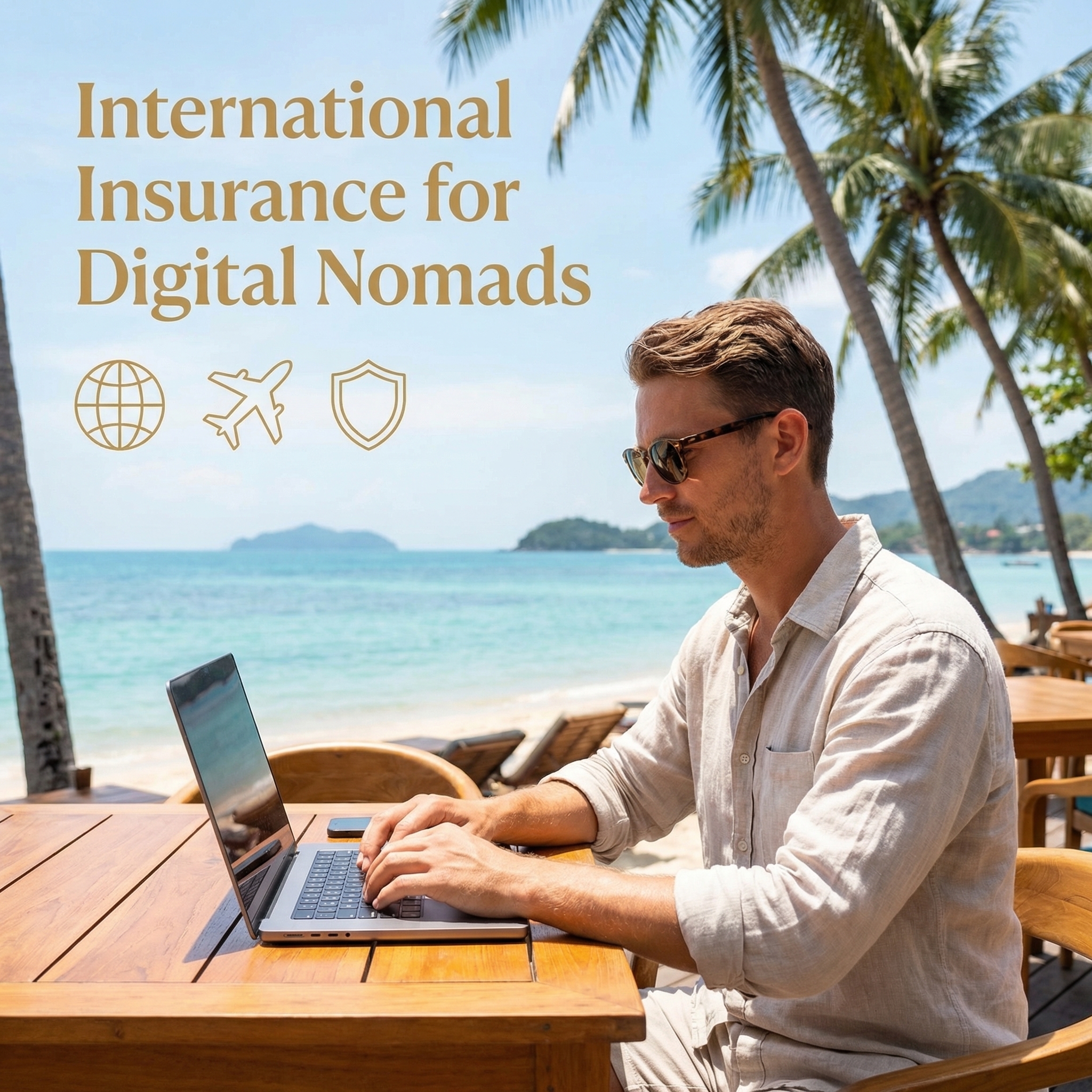
Travel insurance for digital nomads has become one of the most important decisions remote professionals make before heading abroad. #TravelInsuranceForDigitalNomads The freedom to work from Lisbon, Bali, or Buenos Aires comes with a responsibility that too many location-independent professionals overlook — making sure you have real medical coverage when your office is a continent away from home. In 2026, the options for nomad-friendly travel insurance have expanded significantly, but not all plans are created equal. Understanding what separates adequate coverage from truly comprehensive protection can mean the difference between a minor inconvenience and a financial catastrophe.
⠀
The digital nomad lifestyle has matured from a niche movement into a mainstream professional path. Millions of remote workers now split their time across multiple countries each year, and insurance products have evolved to serve this growing market. Yet the complexity of staying properly covered while moving between countries, time zones, and healthcare systems remains a genuine challenge. The right travel insurance for digital nomads addresses not just emergencies, but the ongoing reality of living and working outside your home country’s healthcare infrastructure.
⠀
Whether you are a freelance developer spending six months in Southeast Asia, a marketing consultant bouncing between European capitals, or a startup founder who treats the entire world as your office, this guide walks you through everything you need to know about securing the right coverage for your lifestyle.
⠀
Why Standard Health Insurance Fails Digital Nomads
⠀
Most domestic health insurance plans — including employer-sponsored coverage and marketplace plans — offer little to no coverage once you leave the country. This is the fundamental gap that travel insurance for digital nomads fills. Your existing plan might cover an emergency room visit in another state, but it almost certainly will not pay for a hospital stay in Thailand or a specialist consultation in Portugal.
⠀
Medicare does not cover healthcare outside the United States. Most private insurance plans have strict geographic limitations. Even plans with some international coverage typically limit it to emergency situations and impose high out-of-pocket costs for care received abroad. For a digital nomad spending months at a time overseas, these limitations create genuine financial exposure.
⠀
The cost of medical care abroad varies dramatically. A hospital stay in Bali might cost a fraction of what it would in New York, but a medical evacuation from a remote island can easily exceed one hundred thousand dollars. Without proper travel insurance for digital nomads, a single serious illness or accident could wipe out years of savings and force an unplanned return home under the worst possible circumstances.
⠀
What Travel Insurance for Digital Nomads Should Actually Cover
⠀
Not every travel insurance product suits the nomad lifestyle. Short-term tourist policies designed for two-week vacations leave significant gaps for someone living abroad for extended periods. When evaluating travel insurance for digital nomads, look for coverage that addresses the realities of long-term international living.
⠀
Emergency medical coverage is the foundation. Your plan should cover hospitalization, surgery, emergency room visits, prescription medications, and diagnostic testing in any country where you might spend time. Coverage limits matter enormously — look for plans offering at least five hundred thousand dollars in medical coverage, with one million dollars being ideal for comprehensive protection.
⠀
Medical evacuation coverage is equally critical. If you are in a country with limited medical infrastructure and need to be transported to a facility that can provide appropriate care, evacuation costs can be staggering. Quality travel insurance for digital nomads includes at least two hundred fifty thousand dollars in evacuation coverage, ensuring you can reach world-class medical facilities regardless of where your emergency occurs.
⠀
Telehealth access has become a standard feature in premium nomad insurance plans. The ability to consult with a physician via video call — regardless of time zone — provides peace of mind and practical convenience. Some plans connect you with English-speaking, Western-trained doctors who understand both your medical needs and the healthcare system in your current country.
⠀
Annual Multi-Trip Plans vs. Long-Term Single Plans
⠀
Digital nomads generally choose between two types of travel insurance for digital nomads: annual multi-trip plans and long-term single-trip plans. Understanding the distinction helps you select the structure that matches your travel pattern.
⠀
Annual multi-trip plans cover unlimited trips throughout the year, typically with a maximum duration per trip (often sixty or ninety days). These plans work well for nomads who return to their home country between stints abroad. If you spend two months in Europe, come home for a few weeks, then head to Asia for another stretch, an annual plan provides continuous coverage without purchasing separate policies for each departure.
⠀
Long-term single plans cover one continuous period abroad, often up to twelve months or longer. These plans suit nomads who leave home and do not return for extended periods. If your lifestyle involves moving directly from one country to the next without returning home, a long-term plan eliminates gaps in coverage that might occur between individual trip policies.
⠀
The cost comparison depends on your travel frequency and duration. For someone taking four or five international trips per year, an annual plan almost always costs less than purchasing separate policies for each trip. For someone living abroad continuously for six to twelve months, a long-term plan may offer better value and more comprehensive coverage.
⠀
Coverage for Pre-Existing Conditions While Traveling
⠀
Pre-existing medical conditions add complexity to finding the right travel insurance for digital nomads. If you manage a chronic condition — diabetes, hypertension, asthma, or anything requiring ongoing medication — your coverage options require careful evaluation.
⠀
Some plans exclude pre-existing conditions entirely. Others offer coverage with restrictions, such as requiring a waiting period before pre-existing conditions are covered or limiting coverage to acute flare-ups rather than routine management. Premium plans may cover pre-existing conditions fully, particularly if you purchase coverage within a specified window after making your travel arrangements.
⠀
The best approach is transparency. Disclose all existing conditions during the application process. Attempting to hide a condition to secure cheaper coverage creates the risk of claim denial at precisely the moment you need coverage most. Plans that explicitly cover your specific conditions — even at a higher premium — provide genuine protection rather than an illusion of it.
⠀
Countries That Require Proof of Travel Insurance
⠀
Beyond personal protection, travel insurance for digital nomads serves a practical immigration purpose in many destinations. A growing number of countries now require proof of medical insurance as a condition of entry or for obtaining digital nomad visas.
⠀
European Schengen Area countries require travel medical insurance with at least thirty thousand euros in coverage for visa applicants. Popular nomad destinations including Portugal, Spain, and Croatia have introduced digital nomad visa programs that mandate health insurance coverage for the duration of your stay. Thailand, Indonesia, and several other Southeast Asian countries have implemented or are considering similar requirements.
⠀
Having comprehensive travel insurance for digital nomads simplifies the visa application process and ensures compliance with local regulations. Many plans provide certificates of coverage specifically formatted for visa applications, eliminating administrative headaches when you are trying to establish yourself in a new country.
⠀
The Hidden Cost of Going Without Coverage
⠀
Some digital nomads — particularly younger professionals who feel healthy and invincible — consider skipping travel insurance to save money. This calculation looks reasonable right up until it does not. The hidden costs of going uninsured abroad extend far beyond medical bills.
⠀
A broken leg from a motorbike accident in Vietnam could cost fifteen thousand dollars or more for surgery and rehabilitation. A sudden appendicitis in rural Costa Rica might require emergency evacuation to a better-equipped facility — an airlift that could cost seventy-five thousand dollars. Food poisoning that escalates to a serious infection might mean a week in a foreign hospital with no one advocating for your care or coordinating with English-speaking specialists.
⠀
Beyond the financial exposure, being uninsured abroad means navigating foreign healthcare systems entirely on your own. Quality travel insurance for digital nomads includes concierge assistance — a team that helps locate appropriate medical facilities, coordinates direct billing so you do not pay upfront, and provides translation support when language barriers could affect your care.
⠀
Choosing Between Budget and Premium Travel Insurance Plans
⠀
The travel insurance market for digital nomads spans a wide price range, from budget options under fifty dollars per month to premium plans exceeding three hundred dollars per month. Understanding what you gain and sacrifice at each price point helps you make an informed decision.
⠀
Budget plans typically offer lower coverage limits, higher deductibles, and more exclusions. They may cap medical coverage at one hundred thousand dollars, exclude adventure activities, and require you to pay out of pocket before submitting reimbursement claims. For nomads in their twenties with no pre-existing conditions who stick to major cities, budget plans may provide adequate basic protection.
⠀
Premium travel insurance for digital nomads offers higher coverage limits — often one million dollars or more — lower or zero deductibles, direct billing with medical providers, and coverage for a wider range of activities and conditions. Premium plans typically include dental emergencies, mental health support, and coverage in the United States (which many budget plans exclude due to the high cost of American healthcare).
⠀
The premium difference often amounts to the cost of a few restaurant meals per month. When weighed against the potential financial exposure of a serious medical event abroad, most experienced nomads find that premium coverage represents one of the smartest investments in their lifestyle.
⠀
Adventure Activities and Sports Coverage
⠀
Digital nomads tend to be adventurous. Surfing in Bali, hiking in Patagonia, skiing in the Alps, or diving in the Philippines are not just vacations — they are part of the lifestyle. Standard travel insurance for digital nomads may exclude injuries sustained during certain activities, creating gaps precisely when coverage matters most.
⠀
Review the activities exclusion list carefully before purchasing any plan. Some insurers exclude anything they consider hazardous — which can include surprisingly common activities like motorbiking, rock climbing, or even cycling in certain countries. Others offer inclusive coverage for most recreational activities, with optional riders available for genuinely extreme pursuits like BASE jumping or mountaineering above a certain altitude.
⠀
Plans backed by insurers who understand the travel lifestyle tend to offer broader activity coverage. They recognize that renting a scooter in Southeast Asia or joining a surf lesson in Portugal is not extreme behavior — it is normal daily life for their policyholders. Look for plans that treat common nomad activities as standard rather than exceptional.
⠀
Direct Billing vs. Reimbursement Models
⠀
How your insurer pays claims matters as much as whether they pay them. Travel insurance for digital nomads operates under two primary payment models, and the difference significantly affects your experience during a medical event.
⠀
Direct billing means your insurer pays the medical provider directly. You show your insurance card, receive treatment, and leave without handling payment. This model eliminates the financial stress of fronting thousands of dollars for emergency care in a foreign country — money you may not have readily available on a credit card while living abroad.
⠀
Reimbursement models require you to pay the provider first, then submit a claim for repayment. While you eventually recover your costs, the upfront financial burden can be significant. A three-day hospital stay might cost five thousand to twenty thousand dollars depending on the country — money you need to produce immediately before the insurer processes your claim.
⠀
Premium plans with established provider networks in popular nomad destinations offer direct billing as a standard feature. This convenience alone often justifies the price difference over budget reimbursement-only plans, particularly for nomads who do not maintain large emergency cash reserves.
⠀
Technology Features That Matter for Nomad Insurance
⠀
The best travel insurance for digital nomads integrates technology into the coverage experience. Modern plans offer mobile apps that put essential features at your fingertips, regardless of where you are in the world.
⠀
Provider finder tools use GPS to locate approved medical facilities near your current location. Digital insurance cards eliminate the need to carry paper documents. Claim submission through the app streamlines the reimbursement process with photo uploads of receipts and medical records. Telemedicine integration connects you with a physician within minutes for non-emergency consultations.
⠀
Some platforms also offer medical translation tools, helping you communicate symptoms and understand diagnoses when language barriers exist. Others provide country-specific health advisories and vaccination requirements, keeping you informed as you move between destinations.
⠀
For professionals who manage their entire lives from a smartphone and laptop, insurance that operates the same way fits naturally into the workflow. Plans that still rely on phone calls, fax machines, and paper forms create unnecessary friction for a demographic that expects digital-first service.
⠀
Tax Implications and Insurance Deductions for Remote Workers
⠀
Travel insurance for digital nomads may qualify as a tax-deductible business expense, depending on your tax situation and the structure of your remote work. Self-employed nomads who operate as sole proprietors or through an LLC can often deduct health insurance premiums — including travel medical insurance — as a business expense.
⠀
The specific deductibility depends on factors including your country of tax residence, whether you qualify for the Foreign Earned Income Exclusion, and how your insurance is structured. Consulting with a tax professional who understands the nomad lifestyle can help you maximize legitimate deductions while maintaining compliance with your tax obligations.
⠀
Even when travel insurance premiums are not directly deductible, the financial protection they provide represents a sound business decision. A medical emergency that interrupts your ability to work — particularly if it involves evacuation and extended recovery — affects your income as directly as any other business disruption.
⠀
Making the Right Choice for Your Nomad Lifestyle
⠀
Selecting the right travel insurance for digital nomads requires matching your coverage to your specific lifestyle. Consider your travel patterns, health profile, activity preferences, and risk tolerance. A twenty-five-year-old freelancer spending a year in Southeast Asia has different needs than a forty-year-old consultant splitting time between London, Dubai, and Singapore.
⠀
Start by identifying your non-negotiables: minimum medical coverage limits, countries you plan to visit, activities you intend to pursue, and any pre-existing conditions that need coverage. Then compare plans that meet these baseline requirements on factors like deductibles, direct billing availability, telehealth access, and overall cost.
⠀
Read the policy documents carefully — particularly the exclusions section. The cheapest plan is not a bargain if it excludes the very scenarios most likely to affect you. Conversely, the most expensive plan may include coverage you will never use. The ideal travel insurance for digital nomads balances comprehensive protection with practical value.
⠀
Curl Insurance Services specializes in helping remote professionals and frequent travelers find the right international coverage. Our team understands the unique needs of location-independent workers and can walk you through the options that best match your travel lifestyle and health requirements.
⠀
Protect Your Freedom with the Right Coverage
⠀
The digital nomad lifestyle offers extraordinary freedom — the freedom to work from anywhere, explore the world on your terms, and design a life that prioritizes experience over routine. Travel insurance for digital nomads protects that freedom by ensuring a medical emergency does not become a financial emergency that forces you to abandon the life you have built.
⠀
If you are planning an extended stint abroad or already living the nomad lifestyle without proper coverage, now is the time to get protected. Text us at (949) 506-2746 or visit curlinsuranceservices.com/travel-insurance to explore travel insurance options designed for professionals who refuse to let borders limit their potential.